A message on World Teachers’ Day calls for fair salaries, stronger job security and greater respect for teachers in Bangladesh.
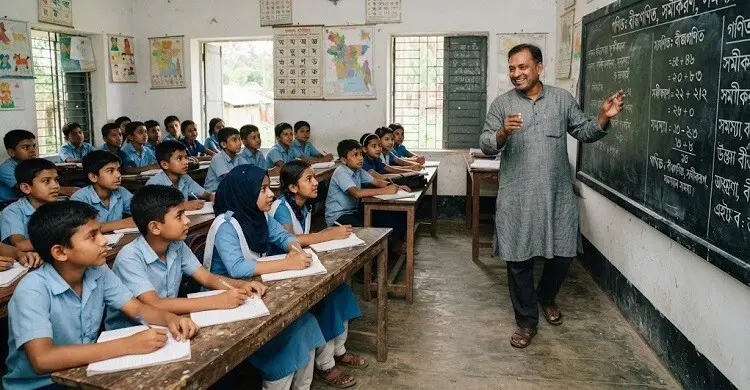
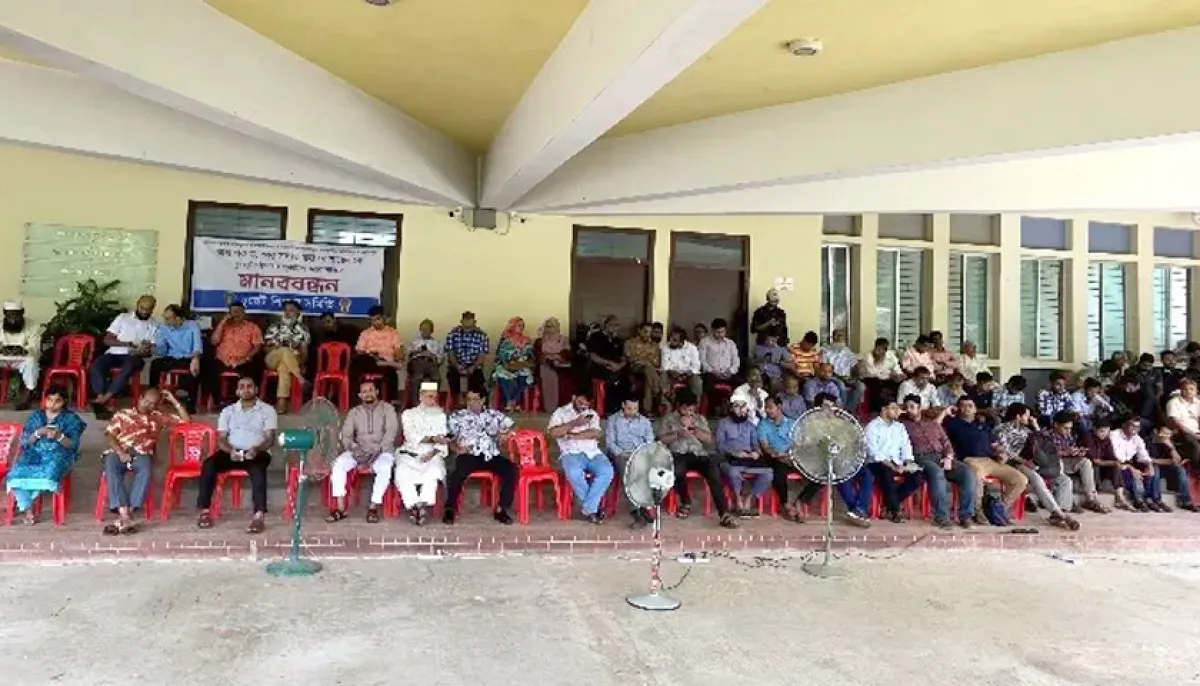
World Teachers’ Day is observed on October 5. A message supplied for the occasion calls for better salaries, job security and professional recognition for teachers in Bangladesh.
The message says teachers at all levels want a dignified and non-discriminatory salary structure. It argues that calling teaching a noble profession is not enough. Teachers also need fair pay and better working conditions.
According to the message, teachers carry growing responsibilities while their benefits and social status have not kept pace. It says financial security is especially important for teachers at private MPO-listed schools and similar institutions.
The message says these teachers want secure salaries, pension protection, job security and transfer opportunities. It also calls for a separate salary structure for teachers, a proposal that it says has been discussed for many years.
The text raises concerns about reported irregularities involving pension funds of MPO-listed teachers. However, it does not provide a source or evidence for those reports. The claim therefore requires independent verification before it can be treated as an established fact.
Concerns over secondary education
The message gives special attention to private secondary schools. It says most secondary-level educational institutions are privately managed and argues that teachers in these schools face discrimination in pay and benefits.
It also calls for greater state control of private secondary institutions. The message presents nationalisation as a way to improve conditions for both teachers and students.
The text also raises concerns about the rising cost of education at private institutions. It says tuition and other fees are placing greater pressure on families. It links these costs to a rise in secondary-level dropout, although no supporting data is provided.
The message says a new curriculum alone cannot bring quick improvements in education. It argues that teachers also work within wider social, political and administrative systems.
Political and administrative pressure
The text raises concerns about political influence in educational institutions. It also mentions bribery, corruption and other irregularities as problems that can affect education.
It questions the role of political influence in forming school management committees. Instead, it calls for monitoring bodies that include people with knowledge and experience in education.
The message argues that teachers need enough freedom to perform their duties. It says political pressure can affect both teachers and the wider education system.
Why talented people may avoid teaching
The message also asks why many talented students may not choose teaching as a career. It identifies several possible reasons, including low salaries, financial uncertainty and limited career opportunities.
It also points to concerns over job security, particularly in private institutions. Limited opportunities for research and higher education are presented as another factor.
The text argues that the social prestige of teaching has declined. It says this may make the profession less attractive to highly skilled people.
These points are arguments made in the supplied message. They are not presented here as independently verified research findings.
Calls for changes in education
The message says Bangladesh needs to rethink its education system as technology changes rapidly. It points to artificial intelligence as one reason for reviewing current education policies.
It also calls for greater attention to technical and vocational education. The text argues that not every student needs to pursue higher education. It supports stronger higher education opportunities for students interested in advanced study and research.
The message says teachers are central to achieving the state’s education goals. It argues that teachers with financial and professional security can give greater attention to teaching, research and new methods.
The central call is for action rather than only recognition on Teachers’ Day. The message seeks fair pay, job security, professional respect and a stronger career path for teachers.
It concludes that a skilled nation requires skilled teachers. The next step, according to the message, is for policymakers to consider these demands while reviewing the country’s education system.