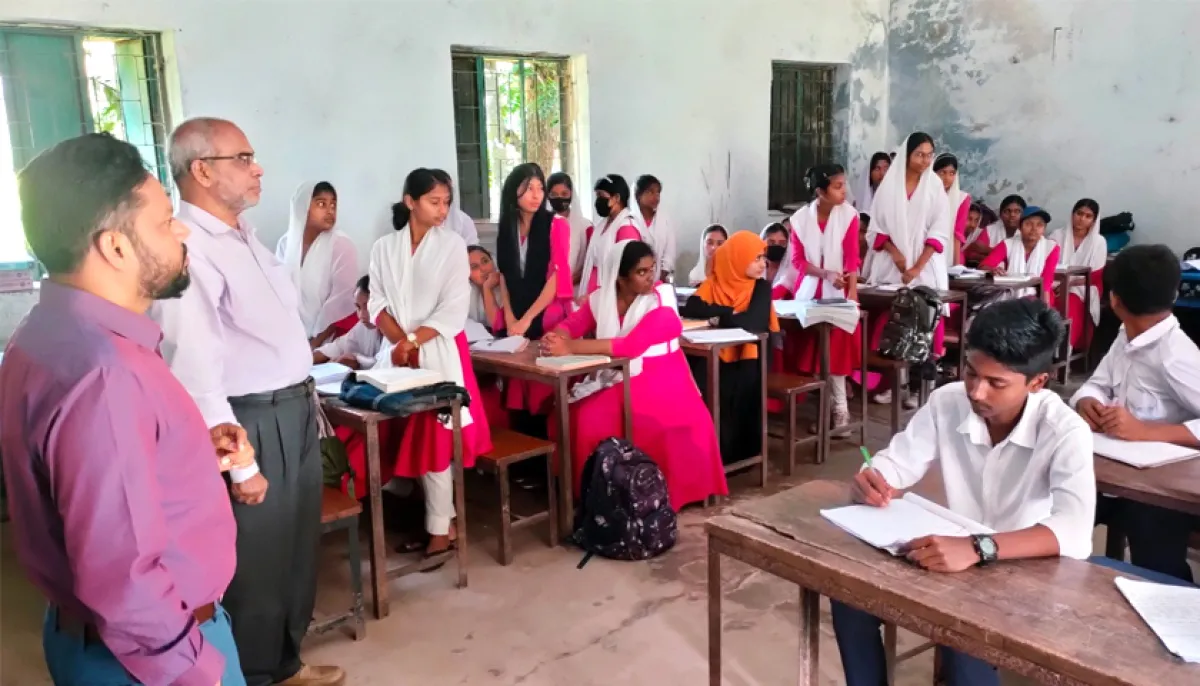
The proposed curriculum will cover artificial intelligence, robotics, machine learning and online safety, with plans to set up technology laboratories in 5,000 educational institutions.
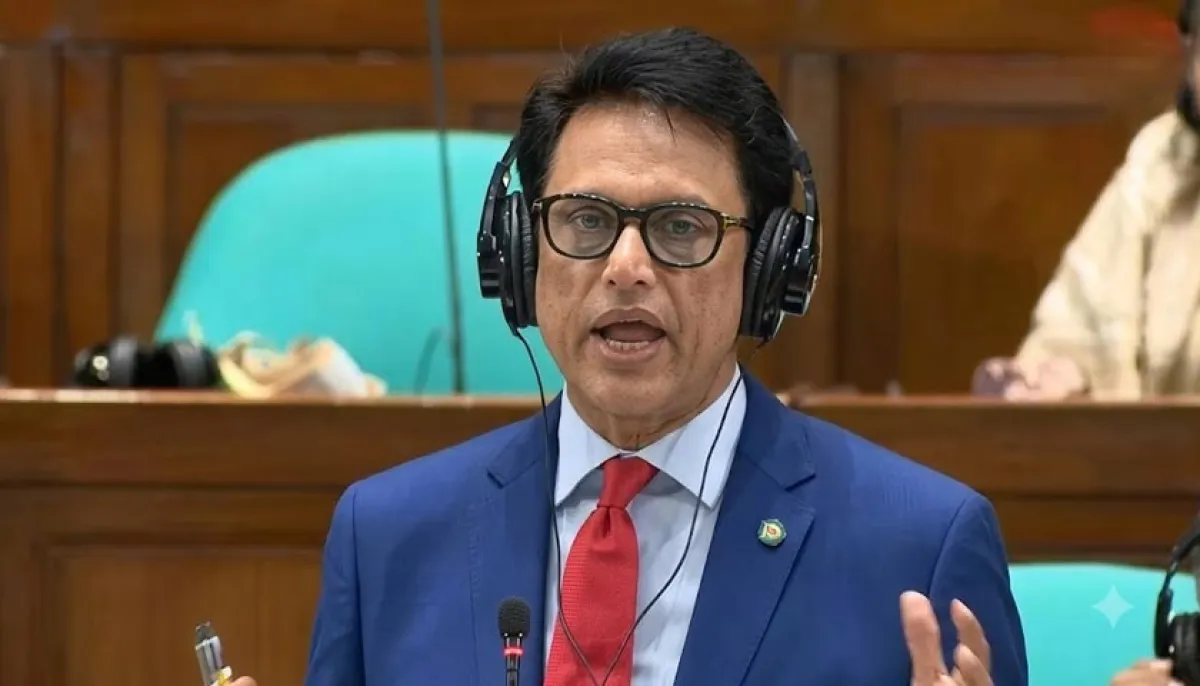
Bangladesh plans to introduce Artificial Intelligence (AI) education in schools from Classes Six to Twelve from the 2027 academic year. Education and Primary and Mass Education Minister Dr A N M Ehsanul Haque Milon announced the plan in Parliament on Tuesday, November 10.
The proposed curriculum will cover AI, robotics, virtual reality, augmented reality, machine learning and nanotechnology. It will also teach students how to use AI responsibly, verify online information, identify deepfakes and stay safe online.
The minister shared the information in a statement under Rule 71 during the second day of the fourth session of the National Parliament. Deputy Speaker Barrister Kaiser Kamal presided over the sitting.
AI lessons to vary by class
The minister outlined separate learning topics for each class, with lessons becoming more advanced as students progress.
In Class Six, students will learn about artificial intelligence, AI-powered tools, virtual reality, augmented reality and robotics. Class Seven will cover technology use, AI-powered search tools, learning through AI and the Internet of Things (IoT).
Class Eight will focus on AI assistants, automation and the use of technology in business. Students will also learn about new job opportunities, remote work and freelancing.
For Classes Nine and Ten, the curriculum will include the ethical and unethical uses of AI, e-commerce and entrepreneurship. It will also cover the Fourth Industrial Revolution, machine learning, deep learning, robotics and nanotechnology.
Students in Classes Eleven and Twelve will study the basics of artificial intelligence and its use in everyday life. They will also learn how AI can support education and different professional fields.
Focus on responsible use of AI
The minister said teaching students how to use AI would not be enough. They must also learn how to check and assess information generated by AI tools.
He referred to Singapore as an example, where schools include lessons on information verification and deepfakes. Bangladesh also needs to teach students responsible AI use, fact-checking and online safety at an age-appropriate level, he said.
These lessons are expected to help students understand the risks of false information and misleading digital content.
Technology labs planned in 5,000 institutions
The government also plans to establish technology laboratories in around 5,000 educational institutions. The proposed facilities will support practical learning in AI, robotics, 3D printing and renewable energy technologies.
The estimated cost of this project is Tk 7,500 crore, according to the minister.
Separately, the government plans to develop educational facilities under the ‘Next Generation Secondary Education’ project. The initiative will cover 1,050 educational institutions.
It includes plans for multimedia classrooms, technology laboratories, science laboratories and computer laboratories. The project will also provide teacher training and support the construction of new classrooms.
The estimated cost of this project is Tk 3,397 crore and 49 lakh.
What the plan means for students
The proposed changes would expand technology education beyond basic computer skills. Students would receive lessons on emerging technologies and their practical uses from an early stage.
The focus on fact-checking and online safety would also address the risks of using AI-generated information. These skills are becoming important as digital tools become more common in education and work.
The government has set the 2027 academic year as the planned starting point for AI education in Classes Six to Twelve. The technology laboratory projects are also part of its wider plan to develop students’ digital skills.