Subheadline: Applications are expected to open in January as the UGC seeks to coordinate admission schedules and prevent clashes between university examinations.
Public university admission tests for the 2026–27 academic year are expected to begin in February 2027, following a decision to coordinate admission schedules across the country. Applications will open in January, according to the University Grants Commission (UGC).
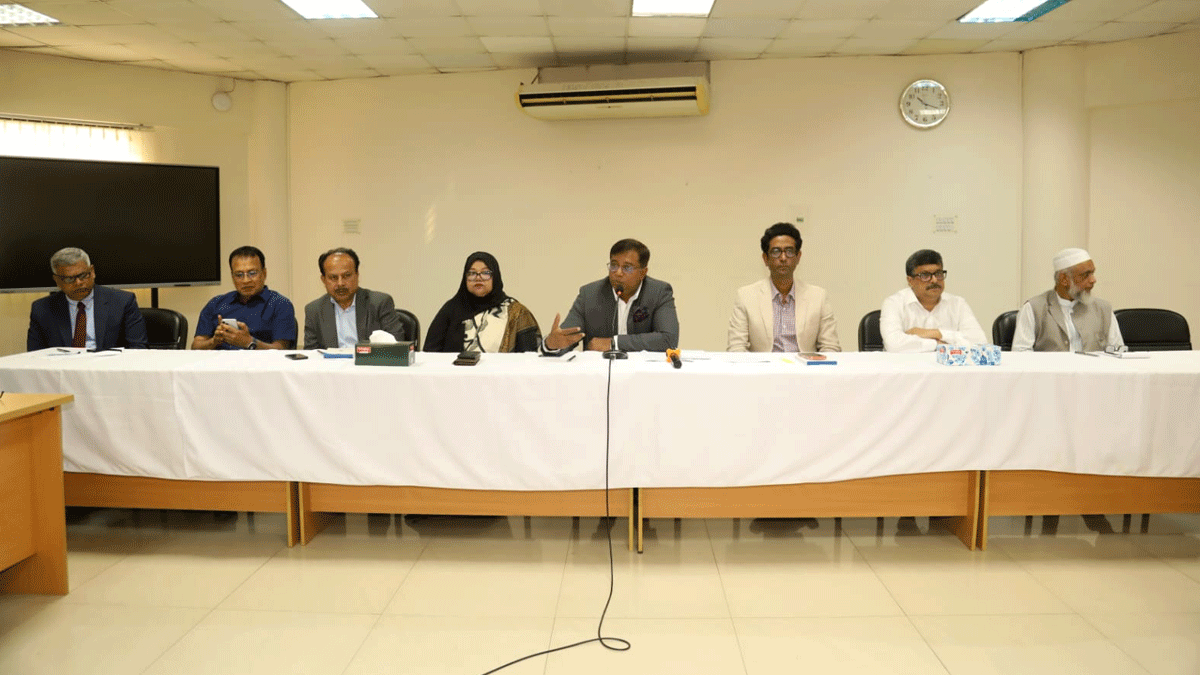
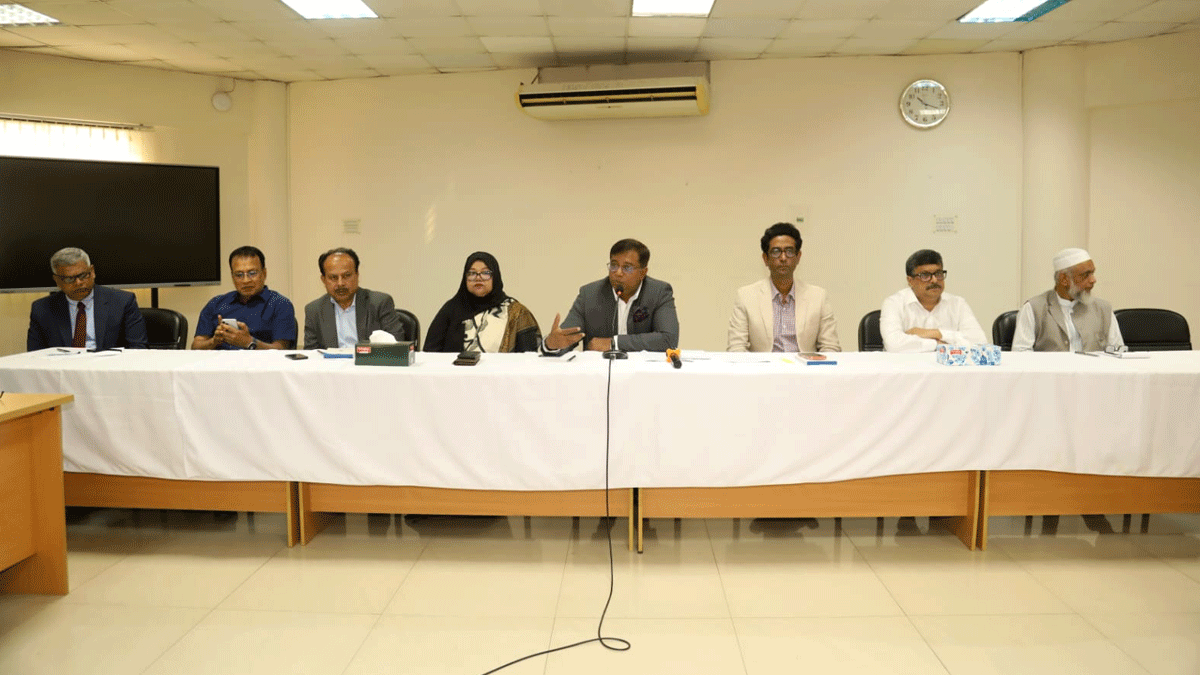
UGC Chairman Professor Dr Mamun Ahmed announced the decision at a press conference on Monday, November 9, after a meeting with vice-chancellors of public universities at the UGC office in Dhaka.
He said the universities had reached a unanimous decision to follow a coordinated admission schedule. Each university will determine its examination dates through mutual consultation to avoid clashes.
The initiative aims to give students the opportunity to sit for admission tests at multiple universities without facing schedule conflicts.
HSC results and admission timeline
Professor Mamun Ahmed said fewer students passed the Higher Secondary Certificate (HSC) and equivalent examinations this year compared with 2025.
More than 700,000 students passed in 2025, while the number this year was slightly above 600,000. He said answer scripts had been properly evaluated this year, leaving many students unable to achieve their expected results.
The authorities are arranging re-scrutiny of answer scripts and supplementary examinations for affected students. The government is working to publish the results of these examinations by December 31.
University admission activities will begin after the results are published. Students who pass through re-scrutiny or supplementary examinations will also be eligible to take part in university admission tests.
Universities urged to consider Ramadan
The UGC chairman said vice-chancellors had been requested to consider the holy month of Ramadan when preparing admission schedules.
Universities that have already announced their admission dates have also been urged to reconsider their schedules. The request aims to protect students’ interests and support the coordinated admission process.
Although the admission tests will take place later than usual, universities have been asked to ensure that their regular academic activities continue without disruption. The UGC will provide necessary support to the institutions.
MCQ system to continue this academic year
The meeting also discussed possible changes to the university admission test question format.
It was decided that admission tests for the 2026–27 academic year would continue under the Multiple-Choice Question (MCQ) system, as in the previous year.
However, the UGC is considering introducing subject-based and analytical questions alongside MCQs from the following academic year.
Professor Mamun Ahmed said admission tests should assess more than students’ ability to memorise information. He stressed the need to evaluate subject knowledge, analytical skills and problem-solving abilities.
He added that universities’ opinions and preparedness would be considered before making any final decision on the proposed changes.
GPA requirements and university seats discussed
Vice-chancellors have also been requested to consider GPA requirements carefully when setting admission eligibility criteria.
The meeting stressed the need to consider this year’s HSC results and the number of available seats in higher education institutions. The aim is to balance admission opportunities with proper assessment of students’ merit.
According to the information shared at the meeting, Bangladesh currently has around 180 public and private universities. Public universities offer approximately 63,000 first-year admission seats.
Affiliated institutions under the National University, Islamic Arabic University and other public universities have more than one million seats. Private universities offer more than 400,000 seats.
The UGC said these figures highlight the need for a planned admission process. The authorities want to ensure that eligible students have access to higher education while maintaining academic standards.
Proposal for a central coordination committee
The meeting also discussed forming a central coordination committee to oversee the admission process throughout the year.
The proposed committee would include representatives from the UGC, the Ministry of Education and universities. It would work to coordinate admission schedules and related activities.
Participants also discussed whether the admission process could begin earlier and follow a more organised plan from next year.
Professor Mamun Ahmed said the coordination initiative would respect the autonomy and legal authority of individual universities. Each institution would continue to conduct admissions under its own laws and regulations.
He said the UGC would provide support and coordination, rather than impose decisions on universities.
The UGC chairman expressed hope that cooperation among vice-chancellors would make this year’s admission process more organised and student-friendly. Universities are now expected to coordinate their schedules ahead of the planned January application period and February 2027 examinations.