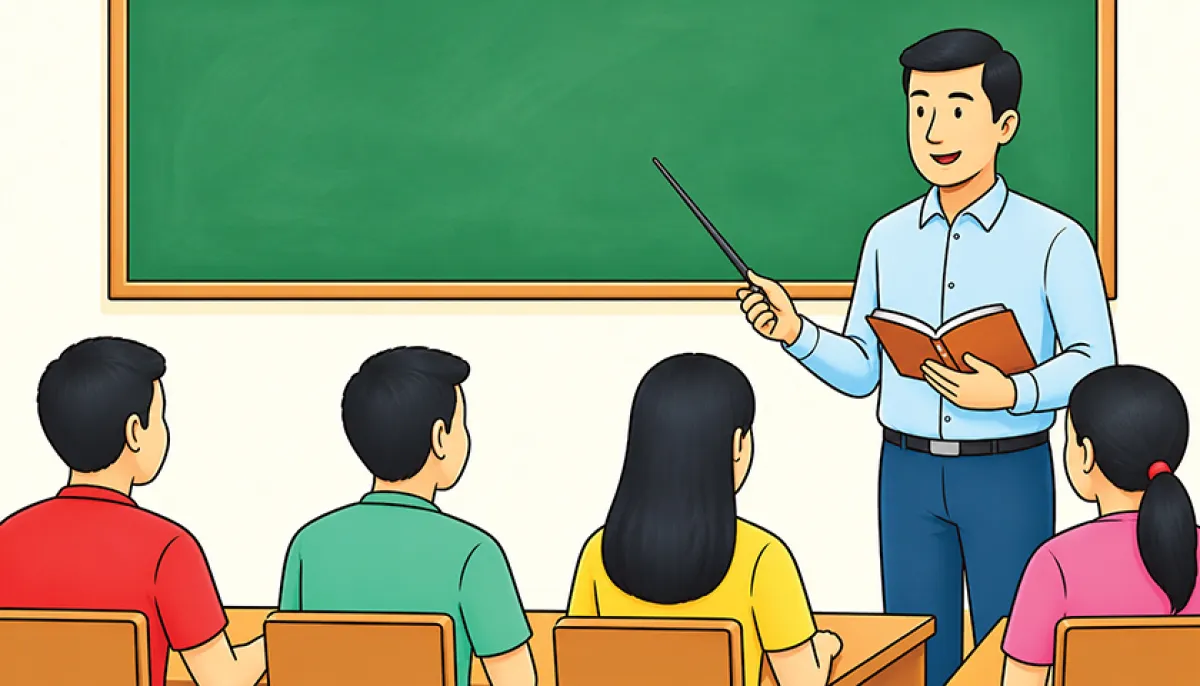
Quality Education Begins by Making Teaching a Dream Profession
Subheadline: Attracting talented young people to teaching requires better pay, professional respect, job security and long-term career development.
Quality education in Bangladesh begins with attracting talented and committed people to teaching. However, when teaching becomes a second choice rather than a preferred career, the country faces a major challenge in building a strong education system. Making teaching an attractive profession requires better working conditions, professional respect and clear opportunities for growth.
Teachers play a vital role in shaping students’ knowledge, values and reasoning skills. Their work helps children develop confidence, understand complex ideas and prepare for responsible roles in society. Therefore, the quality of teaching affects not only individual students but also the future of the nation.
Why talented young people should choose teaching
Many people consider financial security, social status and career opportunities when choosing a profession. In Bangladesh, some candidates aim for different cadres of the Bangladesh Civil Service (BCS) before considering teaching. For some, teaching becomes an alternative when they cannot enter their preferred careers.
This pattern raises an important question: how can teaching become the first career choice for talented young people? The answer begins with improving the profession’s standing and ensuring that teachers receive the support they need to perform their duties.
A teacher’s influence extends beyond classroom lessons. Clear explanations can help students understand difficult subjects, while encouragement can inspire them to explore new interests. In contrast, careless remarks or a lack of attention can weaken students’ confidence and interest in learning.
For this reason, teaching requires more than subject knowledge. It demands commitment, communication skills, patience, analytical thinking and the ability to work with students who have different needs and abilities.
Teacher preparation should begin early
Encouraging students to consider teaching during their secondary education could help them prepare for the profession from an early stage. Alongside their academic studies, they could develop language skills, communication, leadership and the ability to use technology effectively.
Observing experienced teachers can also help young people understand how lessons are planned, difficult ideas are explained and classroom interest is maintained. Such exposure would allow them to view teaching as a long-term career rather than simply an option after graduation.
However, an early interest in teaching does not automatically produce an effective teacher. Proper training, practical experience, guidance from experienced educators and regular professional evaluation remain essential. Teacher development should therefore begin before recruitment and continue throughout a person’s career.
Respect and safety are essential
The social standing of teachers is central to making the profession attractive. Public expressions of respect have limited value if teachers face humiliation, unreasonable pressure or unsafe working conditions in their daily work.
Educational institutions need clear rules to maintain discipline and protect teachers from insulting or threatening behaviour. Complaints against teachers must also receive fair and proper investigations. When misconduct occurs, authorities should take appropriate action based on evidence.
Respect for teachers must go hand in hand with accountability. Students should learn to express disagreement, raise concerns and understand their rights without disregarding the dignity of others. A fair system must protect teachers while allowing legitimate complaints to be addressed properly.
Better pay and career opportunities can attract talent
Financial security is another important factor in career choice. Salaries should reflect teachers’ responsibilities, while promotion systems should offer clear and fair opportunities for advancement.
Access to quality training, research, modern teaching materials and recognition for good work can also strengthen professional development. Talented young people need to see that teaching offers opportunities to gain knowledge, take leadership roles and contribute through research and creative work.
It is not enough to describe teaching as a noble profession and expect teachers to make personal sacrifices. Their working conditions must reflect the importance of their responsibilities. Without adequate support and opportunities for progress, it can be difficult to maintain long-term professional commitment.
Schools, parents and society also have a role
The government cannot make teaching attractive on its own. Educational institutions, parents, students, the media and civil society also have important roles to play.
Schools and colleges can arrange career seminars, discussions with experienced teachers and activities that introduce students to the realities of teaching. Recognising the contributions of skilled educators can help young people understand the value of the profession.
Universities can also expand access to scholarships, mentorship and preparation opportunities for students interested in teaching and research. These measures can help turn an interest in teaching into a realistic career plan.
At the same time, recruitment systems must select qualified candidates through fair and effective processes. After recruitment, teachers need suitable training and continuing support to improve their skills. Their performance should be assessed through more than examination results alone. Student progress, classroom conditions, ethical conduct and students’ overall development also matter.
Teachers must be central to education investment
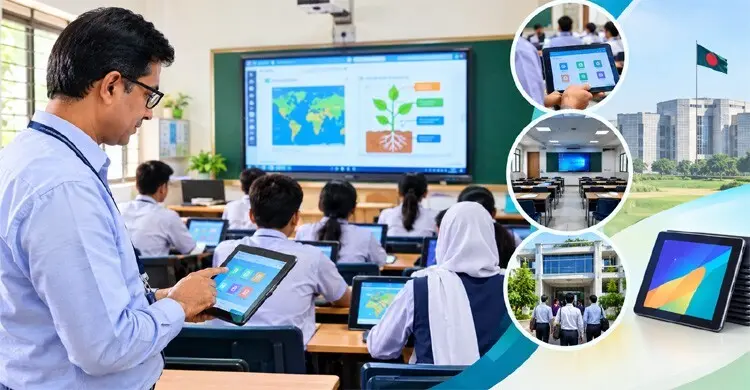
Investment in education often includes school buildings, digital equipment, modern curricula and other facilities. These resources are important, but their impact depends largely on the teachers who use them in classrooms.
Improving teachers’ skills, protecting their dignity and ensuring financial security should therefore be treated as a long-term investment in Bangladesh’s human resources. Professional independence and a supportive working environment are also important for effective teaching.
A strong education system needs teachers who can help students become knowledgeable, thoughtful, humane and responsible citizens. These qualities cannot be developed through infrastructure or examination results alone. They also depend on the quality of classroom teaching and the relationships teachers build with their students.
Making teaching a first-choice profession
Bangladesh needs to encourage young people to consider teaching alongside careers in medicine, engineering, public administration and business. This requires a change in both public attitudes and the practical conditions of the profession.
The goal should be to attract capable, responsible and creative people, then provide the training and support they need to succeed. Fair recruitment, professional recognition, safe workplaces, financial security and continuous development must work together to achieve that goal.
Making teaching a dream profession is not only a matter of improving teachers’ working lives. It is also an investment in the country’s future. Quality education begins when talented people choose teaching with purpose and receive the respect, security and opportunities needed to fulfil their responsibilities.