Subheadline: A growing focus on exams, weak practical skills, and changing learning habits are raising fresh questions about how education should serve students and the country’s future.
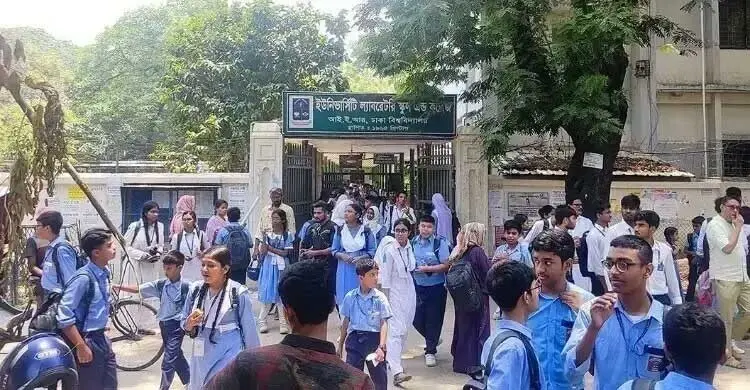
Bangladesh’s education system is facing growing pressure as concerns rise over learning quality, practical skills, and students’ engagement with studies. The debate is shifting beyond examination results to a broader question: should education prepare students only for tests, or for life itself?
The issue comes at a time when the country is working toward economic growth while facing wider social and political challenges. Education remains one of the country’s most important tools for future development. However, many observers argue that the current system is struggling to keep pace with changing needs.
Exam pressure remains a major concern
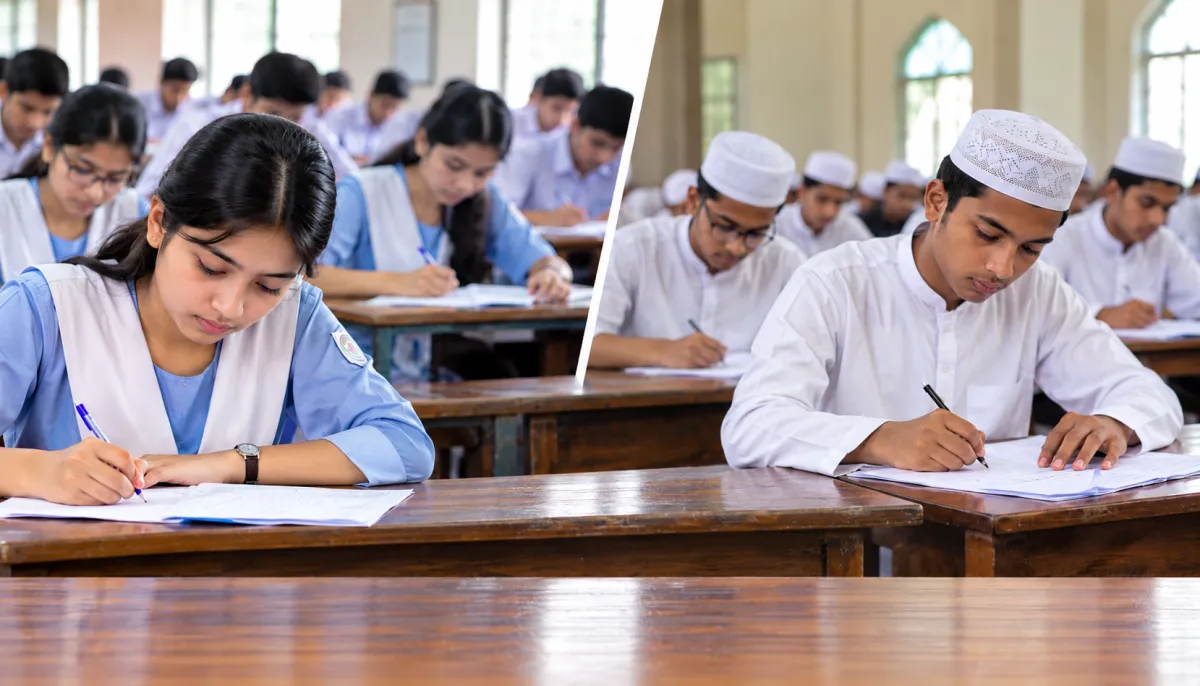
One of the strongest criticisms of the current system is its heavy focus on examinations and grades. Many believe that marks have become the main measure of success, while creativity, curiosity, and personal growth receive less attention.
This approach can create lasting pressure on students. Instead of enjoying the learning process, many spend their time memorising lessons and preparing for exams.
Supporters of reform say classrooms should encourage students to ask questions, explore new ideas, and build confidence through learning rather than fear.
Technology is changing how students learn
Digital entertainment has become part of everyday life for many students. Mobile phones, social media, and online videos often compete with traditional textbooks for attention.
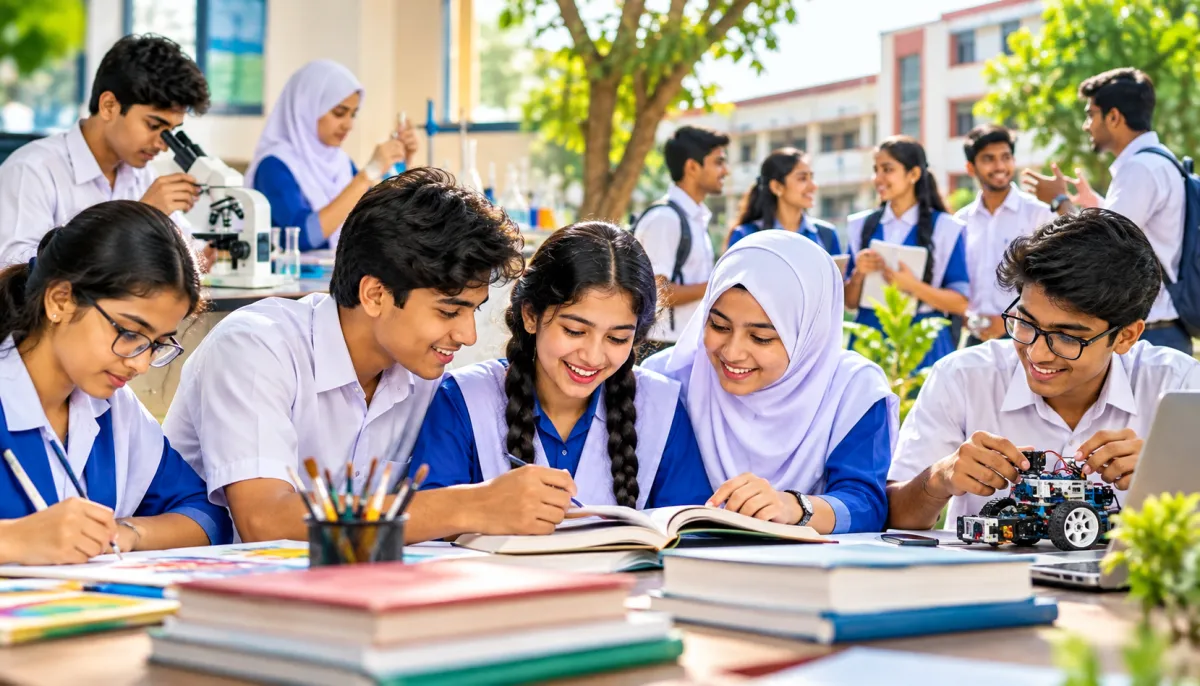
Rather than treating technology as a threat, education experts argue it should become part of the learning process. Interactive lessons, multimedia classrooms, and practical examples could help make education more engaging for today’s students.
Practical skills need greater attention
Another major concern is the gap between academic learning and workplace skills. Many graduates continue to face difficulties finding suitable jobs, while employers in several sectors still report shortages of skilled workers.
Greater emphasis on technical education, vocational training, and practical learning could help narrow that gap. Supporters say these skills should extend beyond engineering and information technology to agriculture, manufacturing, and service industries.
The goal, they argue, is to help students see education as a way to contribute to society, not simply as a path to employment.
Teachers remain central to reform
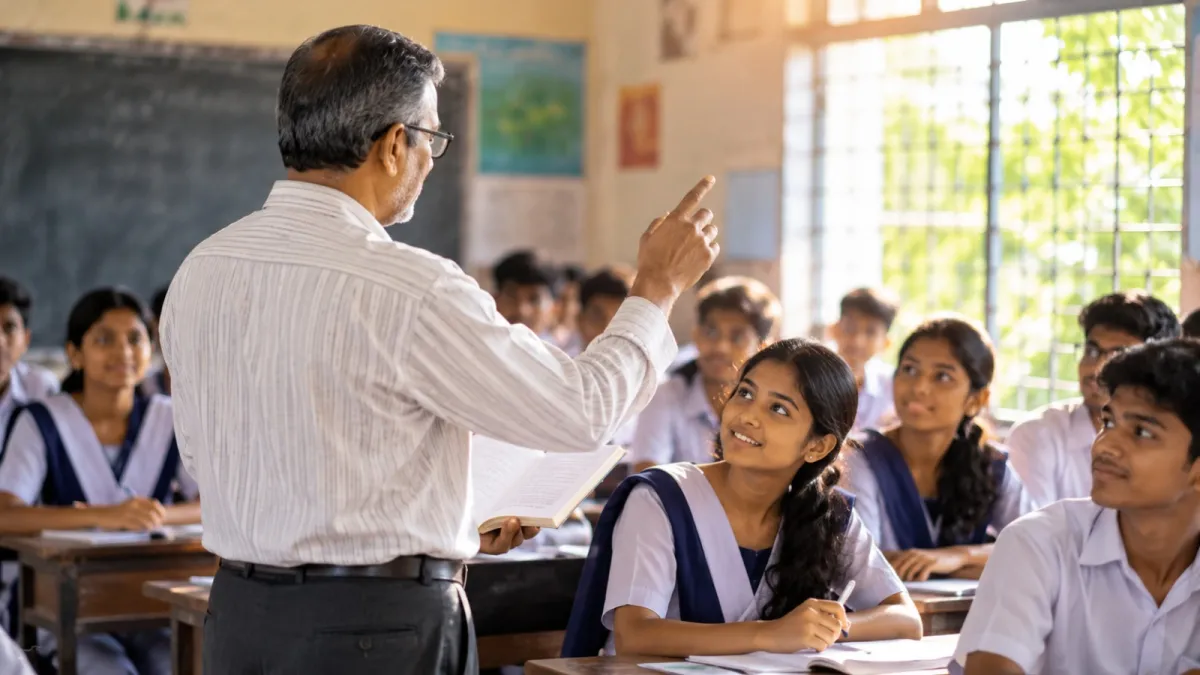
Teachers play a key role in shaping students’ learning experiences. Education specialists say meaningful reform depends on well-trained, motivated, and respected teachers.
Regular professional training, career development opportunities, and fair performance evaluation are seen as important steps toward improving classroom teaching.
A supportive working environment, they argue, can help teachers inspire students more effectively.
Families and schools share responsibility
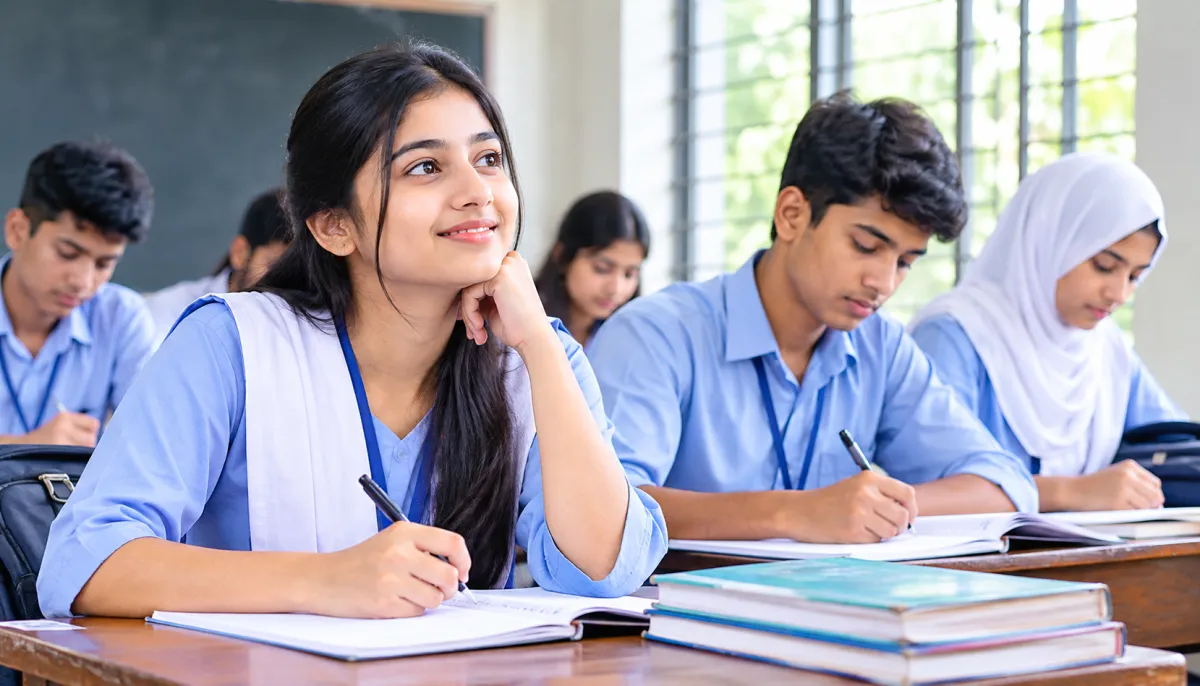
Many education advocates also believe students need a clearer understanding of why they are studying. When learners understand the purpose of education, they are more likely to stay interested and motivated.
Families, schools, and communities all have a role in building that mindset through consistent support and guidance.
Values matter alongside knowledge
The discussion also highlights the importance of ethics and human values in education. Skills and knowledge alone are not enough, supporters of reform argue. Qualities such as honesty, responsibility, and empathy are equally important for building a healthy society.
Many believe these values should become a stronger part of classroom learning.
Why this matters for Bangladesh
Education shapes the country’s future workforce and civic life. As Bangladesh aims to become a knowledge-based and advanced economy, many believe the education system must evolve to meet changing social and economic demands.
Calls for reform focus on creating classrooms where learning is enjoyable, teachers inspire students, and practical skills receive greater attention alongside academic achievement.
The conversation around education reform is expected to continue as policymakers, educators, families, and students consider how the system can better prepare the next generation for the challenges ahead.